 EleganceNutrition
Biological Elegance of Energy Homeostasis
February 2026
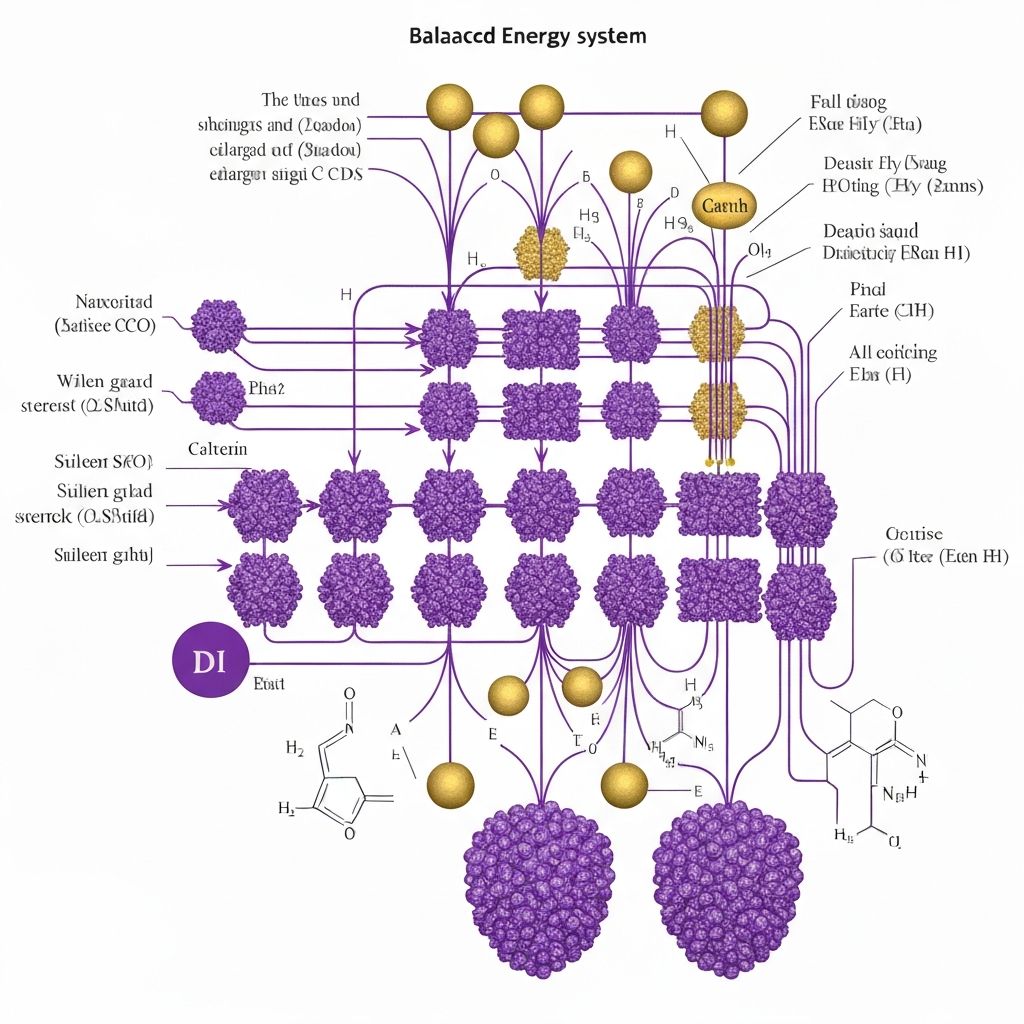
Understanding Energy Equilibrium
The human body maintains a sophisticated system of energy balance through interconnected physiological mechanisms. Energy homeostasis—the regulation of energy intake and expenditure—represents one of the most elegant examples of biological self-regulation.
This equilibrium is not static but dynamic, constantly adjusting through complex feedback systems involving hormones, neural signals, and metabolic processes. The precision of these mechanisms reveals the inherent sophistication of human physiology.
Appetite Regulation and Satiety Signals
The sensation of hunger and satiety develops through multiple interconnected pathways. The hypothalamus, a brain region crucial for metabolic regulation, processes signals from various organs and tissues to determine energy status.
Key hormones include ghrelin, which signals hunger, and leptin and cholecystokinin, which promote satiety. These signals respond to nutrient composition, meal timing, energy stores, and even sensory experiences of eating.
Remarkably, satiety develops gradually. The brain requires approximately 20 minutes to register fullness signals after eating begins. This temporal dynamic explains why mindful, slower consumption naturally supports appropriate portion sizes.
Metabolic Efficiency
Metabolism encompasses all chemical processes maintaining life. Basal metabolic rate—energy expended at rest—reflects the biological costs of maintaining body functions. Individual variation in metabolic rate relates to factors including body composition, age, genetics, and activity patterns.
Energy from food undergoes three metabolic fates: immediate use for cellular processes, storage as glycogen or fat, or release as heat. The body's preference for each fate depends on current energy status, nutrient availability, and physiological state.
Nutrient composition influences metabolic efficiency. Protein requires greater energy for digestion compared to carbohydrates or fats—an effect called thermic energy of food. This metabolic reality reflects the different biochemical processes required to process various macronutrients.
Nutrient Sensing and Metabolic Response
Specialized cells throughout the digestive system detect nutrient composition and send signals coordinating digestive processes and metabolic response. These systems allow the body to distinguish between different foods and adjust metabolism accordingly.
For example, glucose triggers insulin secretion, promoting nutrient storage and utilization. Proteins activate satiety hormones and thermic responses. Fats influence hormone production and nutrient absorption timing. The body's differentiated response to various nutrients reflects their distinct metabolic roles.
This sophisticated nutrient sensing explains why food composition matters beyond simple calorie counting. Quality, diversity, and macronutrient balance influence both metabolic function and eating satisfaction.
Circadian Rhythms and Energy Regulation
Energy metabolism follows daily rhythms coordinated by the circadian clock. Metabolic rate, hormone secretion, and appetite patterns vary predictably throughout the day. These rhythms synchronize metabolic processes with behavioral patterns and light exposure.
Regular meal timing aligns with these natural rhythms, supporting consistent metabolic function. Disruptions to eating schedules and sleep patterns can desynchronize these rhythms, affecting metabolic efficiency and energy regulation.
The Role of Physical Activity
Movement and physical activity represent a crucial component of energy balance. Exercise increases immediate energy expenditure and influences longer-term metabolic processes. Physical activity also enhances insulin sensitivity and supports muscle maintenance, affecting basal metabolic rate.
Importantly, physical activity influences appetite regulation. Moderate activity tends to enhance satiety signaling, while sedentary behavior can disrupt these signals. The integration of movement into daily life supports both energy balance and metabolic health.
Conclusion
Energy homeostasis represents biological elegance—a self-regulating system maintaining dynamic equilibrium despite variable circumstances. Understanding these mechanisms reveals why refined nutritional practices emphasizing quality, moderation, diversity, and rhythm align with physiological principles.
The sophistication of appetite regulation, metabolic efficiency, and nutrient sensing suggests that supporting these natural systems—rather than opposing them—creates sustainable equilibrium. This scientific reality underlies the effectiveness of traditional refined eating patterns.
Information Notice
Educational content only. This article provides general information about energy metabolism and physiological processes. No medical services, treatment recommendations, or personalized health advice are provided.